
Building a minimalist wardrobe is less about owning the fewest clothes possible and more about choosing pieces that make everyday dressing easier. Instead of filling your closet with items that rarely get worn, a minimalist approach focuses on versatile staples that work well together, reflect your style, and fit the way you actually live. The original article presents a women’s wardrobe checklist built around timeless essentials, with the goal of creating more outfits from fewer pieces.
At its core, a minimalist wardrobe is a carefully edited collection of clothes that can be mixed and matched with very little effort. Rather than chasing every trend, the idea is to build around dependable basics that simplify getting dressed. According to the article, this kind of wardrobe is meant to reduce stress, make styling easier, and encourage more thoughtful shopping habits.
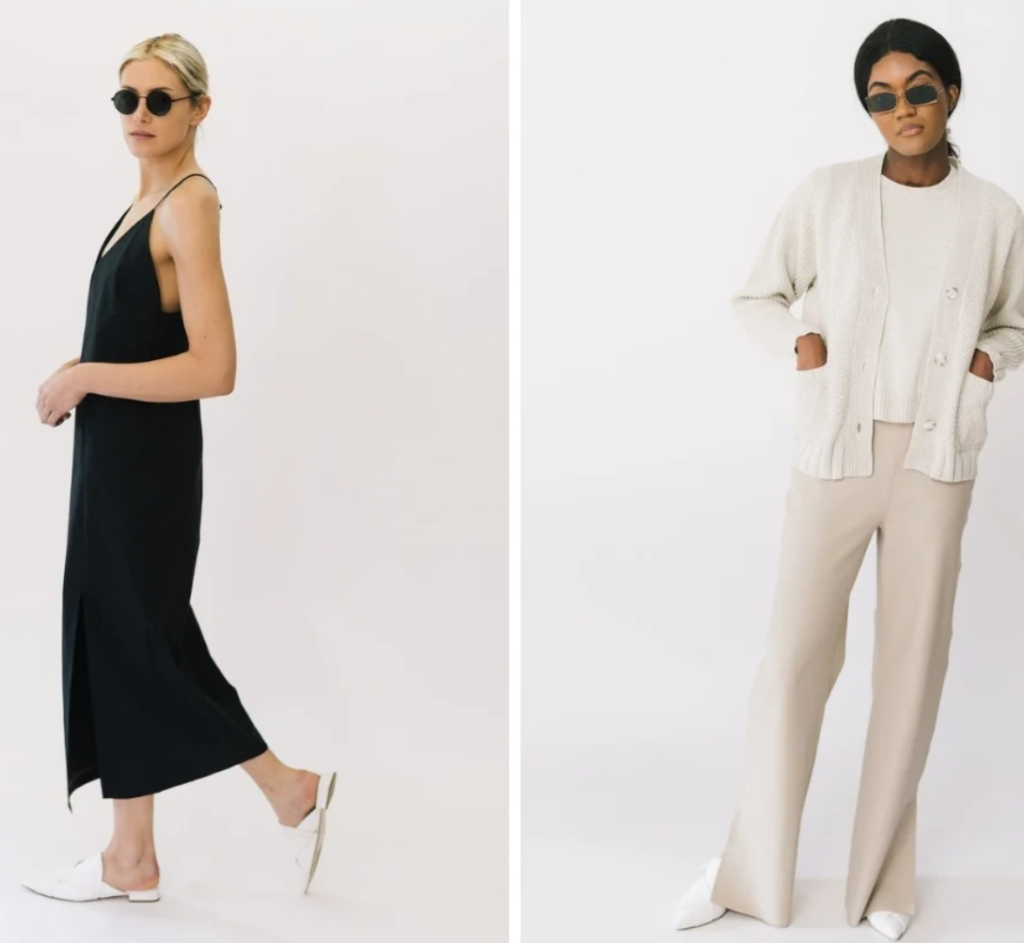
One reason this approach appeals to so many people is that it solves several everyday problems at once. A smaller wardrobe can cut down on decision fatigue, help you feel more confident in what you wear, and reduce the temptation to keep buying things that do not truly fit your style. The article also points out that owning fewer, better pieces often leads to better long-term value and may reduce waste by encouraging more intentional consumption.
There is no universal number that defines a minimalist wardrobe, but the source explains that many people work within a range of about 30 to 60 pieces. It also mentions a few common frameworks, including Project 333, the 30/30 rule, and the 70/30 rule. These methods are not strict laws. They are simply useful starting points for anyone who wants structure while simplifying their closet.
The most helpful part of the article is its checklist of versatile clothing categories. It makes clear that this is not a rigid list of things every woman must own. Instead, it should be treated as a guide that you adapt to your own routine, climate, color preferences, and body shape. The article specifically encourages readers to begin with what they already own and avoid buying pieces that do not match their real needs.
For tops, the checklist centers on reliable layering and everyday essentials. These include simple tanks or bodysuits, classic T-shirts in neutral shades, a few graphic or patterned tees for personality, polished sleeveless tops, short-sleeve shirts, long-sleeve blouses, an elevated sweatshirt, and a selection of sweaters. The overall idea is to create a top section that can shift easily between casual, polished, and seasonal looks without feeling repetitive.
The bottoms category is equally practical. Key pieces include neutral trousers, black leggings, well-fitting jeans in a few washes, cotton or breathable summer shorts, denim shorts, and a staple skirt such as a midi or A-line style. These are the kinds of pieces that can be dressed up or down depending on the occasion, which is exactly what makes them useful in a minimalist closet.
When it comes to dresses, the checklist keeps things simple with only a couple of highly useful options: a black midi dress and an easy summer dress. That choice reflects the overall minimalist philosophy. Instead of owning many occasion-specific dresses, it is often more effective to have a few that can be styled in different ways and worn across multiple settings.
Shoes are approached with the same sense of versatility. The article recommends building around neutral sneakers, nude heels, classic flats, ankle boots, knee-high boots, and flat sandals. Together, these styles can cover daily errands, work, casual weekends, dressier events, and changing seasons without requiring an oversized shoe collection.
Outerwear and accessories complete the wardrobe. Suggested staples include a basic blazer, a denim jacket, a trench coat, a wool overcoat, and a long puffer coat for colder climates. For bags and finishing touches, the checklist highlights items like a large tote, a cross-body bag, a seasonal straw bag, a classic clutch, a leather belt, and simple jewelry. These details matter because they help a small wardrobe feel polished and functional rather than limited.
The source also offers several smart principles for making a capsule wardrobe work. It recommends sticking to a mostly neutral base so pieces are easier to combine, prioritizing quality over quantity, layering with intention, decluttering honestly, and thinking carefully before making new purchases. It also emphasizes caring for clothes properly so they last longer and continue to look good over time.
What makes this checklist useful is that it balances structure with flexibility. It provides a clear foundation, but it does not insist that everyone dress the same way. A minimalist wardrobe should still feel personal. The best version is not the one with the fewest items, but the one that makes your life simpler, your outfits easier, and your style more consistent.

