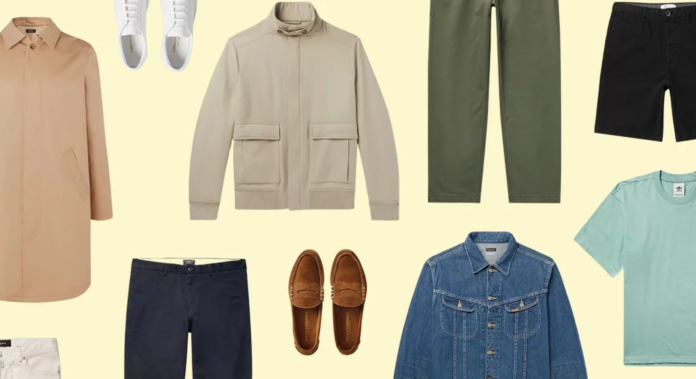
Spring has a way of catching guys off guard.
One minute it still feels like winter, and the next you’re overheating in a heavy sweater, dark jeans, and a coat that suddenly feels ridiculous. That’s the trap a lot of men fall into: assuming their cold-weather wardrobe can simply carry them through the first half of spring.
It usually can’t.
Dressing well in spring is less about chasing trends and more about making thoughtful adjustments. The goal is to look seasonally appropriate without losing the polish and versatility you’ve already built into your wardrobe. That means lighter fabrics, softer colors, and smarter layering.
Here’s how to make that shift the right way.
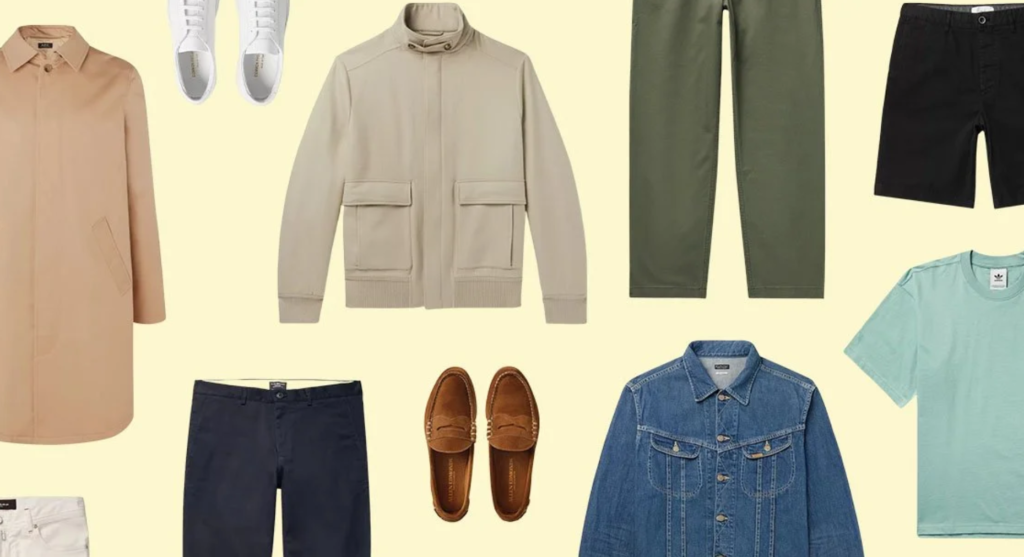
The Three Rules of Great Spring Style
Before getting into specific clothing swaps, it helps to understand the basic framework for dressing in spring.
1. Choose lighter fabrics
This is the most important change you can make.
Heavy wool blazers, thick knits, and substantial cotton tees may have served you well in fall and winter, but once temperatures rise, they quickly become too much. Spring dressing works best when your clothes feel breathable and flexible.
Look for fabrics like cotton, linen, and silk, along with terms such as summer-weight, unlined, partially lined, and moisture-wicking. These details matter because they determine how well a garment handles warmth and changing temperatures.
The idea is simple: keep the structure, lose the bulk.
2. Go lighter, not louder
A lot of men assume spring style means bright colors. It doesn’t have to.
If bold colors aren’t your thing, the smarter move is to lighten your palette instead of making it louder. You can stay within your comfort zone and still look more seasonal by shifting from dark shades to softer versions of the same family.
Swap deep indigo denim for washed blue jeans. Replace charcoal with light grey. Trade stark winter neutrals for softer, warmer tones. These small changes create the visual freshness of spring without forcing you into colors that feel unnatural.
3. Master the art of layering
Spring weather is unpredictable, and that is exactly why layering matters.
Some mornings feel cold, afternoons warm up, and evenings cool down again. A strong spring wardrobe gives you options. Lightweight jackets, cotton sweaters, and breathable overshirts let you adapt without sacrificing style.
Layering also adds visual depth. Even a basic outfit feels more intentional when it includes a few well-balanced pieces instead of just a T-shirt and jeans.
The Best Fall-to-Spring Style Swaps
Once you understand the rules, the next step is making practical substitutions. You do not need a whole new wardrobe. You just need the right replacements.
Replace parkas and heavy wool coats with a mac coat
When winter outerwear starts feeling excessive, a mac coat is a natural upgrade. It keeps the clean, tailored look of a topcoat but feels much lighter and more suitable for spring weather.
It works especially well for office outfits, date nights, or any situation where you want to look put together without wearing a bulky coat.
Replace flannel sport coats with unlined blazers
Spring tailoring should feel relaxed, breathable, and easy to wear.
Instead of flannel, tweed, or heavily structured jackets, go for unlined or partially lined sport coats in lightweight wool, cotton, or linen. Solid colors are especially useful here, and lighter navy is a great starting point because it remains versatile while feeling more seasonal.
Replace bomber jackets with a Harrington jacket
Bombers have become a casual staple, but spring is a great time to give the Harrington jacket more attention.
It sits in that ideal middle ground between casual and polished. It’s sharper than a denim jacket but easier than a blazer, which makes it one of the most useful spring outerwear options a man can own. In navy or black, it can work across a wide range of situations.
Replace flannel shirts with breathable button-downs
Flannel belongs to colder months. In spring, it starts to look and feel too heavy.
This is the season for shirts in cotton and linen. Start with the basics: white, light blue, and grey. Those shades cover most situations and make it easier to build outfits before you experiment with stripes or patterns.
And while we’re here, it helps to know the difference between a button-up and a button-down. A button-down refers to the collar itself, which fastens to the shirt. It generally reads as more casual, while a standard button-up often looks cleaner and more formal.
Replace chunky sweaters with fine cotton knits
You may still want a sweater in spring, but not the same kind you wore in January.
A fine cotton sweater gives you just enough warmth for cooler days while remaining breathable. Lightweight merino can also work, though it tends to cost more. Either way, the goal is to keep the layer slim and comfortable.
A classic grey sweater is the easiest place to begin, though camel and other soft neutrals also work well in spring.
Replace raw dark denim with lighter washed jeans
Raw selvedge denim has its place, but spring style tends to benefit from jeans that feel easier and more relaxed.
Lighter washed denim looks more natural in daylight, feels less heavy visually, and pairs beautifully with spring layers. It gives outfits a broken-in ease that fits the mood of the season much better than stiff, dark denim.
Replace wool trousers with cotton trousers
If you still need polished pants for work or dressier situations, cotton trousers are one of the smartest spring upgrades you can make.
They keep the clean line and structure of formal trousers but feel more breathable and comfortable than wool. Start with dependable shades like navy, grey, black, or olive, and you’ll have options that work with almost everything.
The Small Details That Make a Big Difference
Great spring style is not only about your main garments. The finishing touches matter too.
For shoes, three options stand out: a penny loafer, a grey sneaker, and a suede chukka boot. Together, they cover everything from casual weekends to more refined outfits.
Spring is also a good time to reconsider accessories and grooming. Even something as small as socks or fragrance can shift the entire feel of your look.
On fragrance, heavier winter scents can feel out of place once the weather changes. Spring colognes usually lean fresher, brighter, and lighter, with notes like citrus, clean woods, linen, or soft florals. More importantly, wear fragrance with restraint. It should invite people in, not announce itself across the room.
Final Thoughts
Spring style is not about reinventing yourself.
It is about making your wardrobe feel lighter, fresher, and more adaptable. You do not need neon colors, trend-heavy pieces, or a closet full of new clothes. What you need is a better understanding of proportion, fabric, color, and layering.
Trade the heavy pieces for breathable ones. Soften your palette. Add layers that work with changing temperatures. Make a few smart swaps, and your wardrobe will start to feel like it actually belongs to the season.
That is the real secret to dressing well in spring: not doing more, but doing it with better timing.

