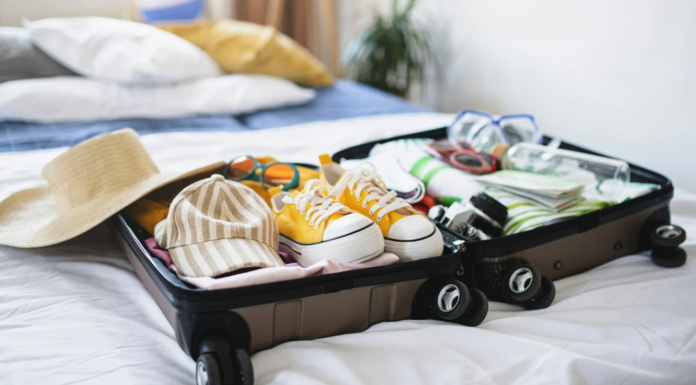
Packing for a trip often feels like a balancing act. Bring too much, and you’re stuck dragging around heavy luggage. Bring too little, and you risk feeling unprepared. The 5-4-3-2-1 packing method offers a practical middle ground—a structured yet flexible approach that simplifies packing while maximizing outfit options.
At its core, this method is rooted in the idea of a capsule wardrobe: a small, intentional collection of clothing where every piece works together. Instead of packing randomly, you build a cohesive system that makes getting dressed effortless throughout your trip.
What Is the 5-4-3-2-1 Packing Method?
The concept is simple. You pack a specific number of items in each category:
- 5 tops
- 4 bottoms
- 3 pairs of shoes
- 2 dresses or layering pieces
- 1 set of accessories
This formula acts as a guideline rather than a strict rule. You can adjust categories depending on your destination, weather, and travel style. For example, layering pieces may replace dresses in colder climates, or you might include swimwear for beach trips.
The goal isn’t perfection—it’s intentionality. By setting clear limits, you avoid overpacking while still having enough variety for different outfits.
Why This Method Works So Well
What makes the 5-4-3-2-1 approach effective is its built-in structure. Instead of guessing what to bring, you follow a simple framework that eliminates decision fatigue.
More importantly, it encourages versatility. When you choose pieces that can be mixed and matched, even a small wardrobe can create a surprising number of outfit combinations. In fact, just five tops and four bottoms alone can produce around 20 different looks.
This means you don’t need a new outfit for every day of your trip. You simply rotate combinations, rewear items, and rely on thoughtful styling.
Another major benefit is reduced stress. With fewer items, packing becomes quicker, unpacking becomes easier, and daily outfit decisions require almost no effort.
Step-by-Step: Building Your Travel Capsule
1. Start with Your Tops
Your five tops should form the foundation of your wardrobe. Focus on pieces that are comfortable, easy to layer, and appropriate for your destination.
Lightweight tees, tanks, or breathable button-downs work well in warmer climates, while long-sleeve shirts and thin knits are better suited for cooler weather. The key is choosing items that can transition between casual and slightly dressed-up situations.
2. Choose Versatile Bottoms
With four bottoms, versatility is essential. Think of pieces you can wear multiple times without feeling repetitive.
Options like jeans, relaxed trousers, skirts, or shorts can all work, depending on your trip. Ideally, each bottom should pair well with most—if not all—of your tops.
3. Limit Your Shoes
Shoes take up valuable space, so keeping them to three pairs forces you to prioritize.
A typical combination might include:
- A comfortable walking shoe
- A casual everyday option
- Something slightly dressier or activity-specific
Each pair should serve a clear purpose and work with multiple outfits.
4. Add Layers or Dresses
The “2” in the formula is flexible. You might bring dresses, lightweight jackets, sweaters, or a mix of both.
Layers are especially useful because they extend your outfit options without adding bulk. A single jacket or cardigan can completely change the look of an outfit while also preparing you for shifting weather conditions.
5. Keep Accessories Minimal
Accessories are the finishing touch, but the method encourages restraint. One cohesive set—such as a bag, sunglasses, and simple jewelry—is usually enough.
The idea is to choose pieces that complement everything in your wardrobe rather than compete with it.
The Secret: Make Everything Work Together
The success of this method depends on cohesion. Every item you pack should coordinate with multiple others. A consistent color palette—often built around neutrals with a few accent colors—makes mixing and matching effortless.
When done right, your suitcase becomes a system rather than a collection of random pieces. Each item earns its place by contributing to multiple outfits.
Adapting the Method to Your Trip
One of the strengths of the 5-4-3-2-1 approach is its flexibility. It works for a variety of travel styles and durations.
For shorter trips, you might scale it down. For longer trips, you can maintain the same structure and rely on occasional laundry to refresh your wardrobe.
You can also adjust based on your activities. A city trip may require more polished pieces, while an outdoor adventure calls for practical, performance-focused clothing.
Packing Smarter, Not More
Beyond clothing, the minimalist mindset extends to everything you pack. Toiletries, makeup, and extras should be streamlined to essentials. The goal is to focus on the experience of travel rather than managing excess belongings.
Many travelers find that once they embrace this approach, they rarely go back to overpacking. A lighter suitcase not only saves space but also makes the entire journey more enjoyable.
Final Thoughts
The 5-4-3-2-1 packing method is less about numbers and more about intention. It provides a clear structure that simplifies decisions while still leaving room for personal style.
By focusing on versatility, coordination, and practicality, you can create a travel wardrobe that feels effortless and complete—without the burden of excess.
In the end, packing light isn’t about sacrifice. It’s about choosing better.

