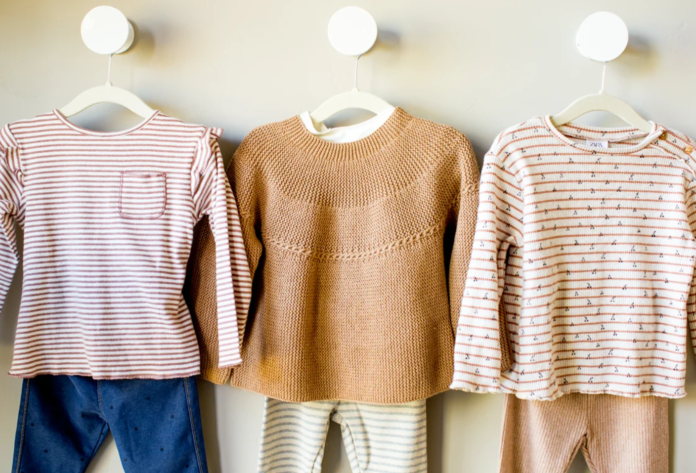
Creating a capsule wardrobe for kids can make everyday life feel much more manageable. Instead of dealing with overflowing drawers, stressful shopping trips, and chaotic mornings, a smaller, more thoughtful collection of clothes can bring structure and ease to the routine.
That is exactly why many parents are turning to the capsule wardrobe approach for their children. When every piece works well with the others, getting dressed becomes simpler, shopping becomes more focused, and the whole process takes less time and energy.
If you have been thinking about simplifying your child’s closet, here is a practical way to get started.
Why a Kids Capsule Wardrobe Makes Sense
Children do not need endless clothing options to be well dressed. In fact, too many choices often create more work for parents and more confusion for kids. A capsule wardrobe shifts the focus from quantity to function.
With a smaller set of clothing, it becomes easier to:
- shop with purpose instead of buying randomly
- avoid duplicates and unnecessary extras
- create outfits that naturally coordinate
- reduce laundry overload
- help kids dress themselves with more confidence
For many families, the biggest benefit is not just a tidier closet. It is the sense of calm that comes from knowing everything in the wardrobe has a purpose.
Start With What Your Child Already Has
Before buying anything new, take a full look at your child’s current clothing. Go through drawers, closets, and storage bins. Separate what still fits and works well from what is worn out, outgrown, or no longer useful.
This step is important because it helps you see the real gaps. Without it, it is easy to buy things your child does not actually need.
As you sort, ask a few simple questions:
- Does it fit comfortably?
- Is it in good condition?
- Does my child actually wear it?
- Can it mix easily with other pieces?
The goal is to keep the useful essentials and remove the clutter that makes the wardrobe harder to manage.
Choose Just a Few Reliable Brands
One of the most frustrating things about shopping for children is how different sizing and styling can be from one brand to another. A shirt from one store may fit perfectly, while another in the same size feels too narrow, too short, or too stiff.
That is why it helps to stay with one or two brands you already trust. When you know how a brand fits your child, shopping becomes faster and less stressful. It also helps the wardrobe feel more cohesive because the colors, cuts, and overall style often work better together.
You do not need to be loyal to expensive labels. What matters most is consistency, comfort, and ease.
Pick a Simple Color Palette
A capsule wardrobe works best when the clothes can be mixed and matched without much effort. The easiest way to make that happen is to choose a small color palette.
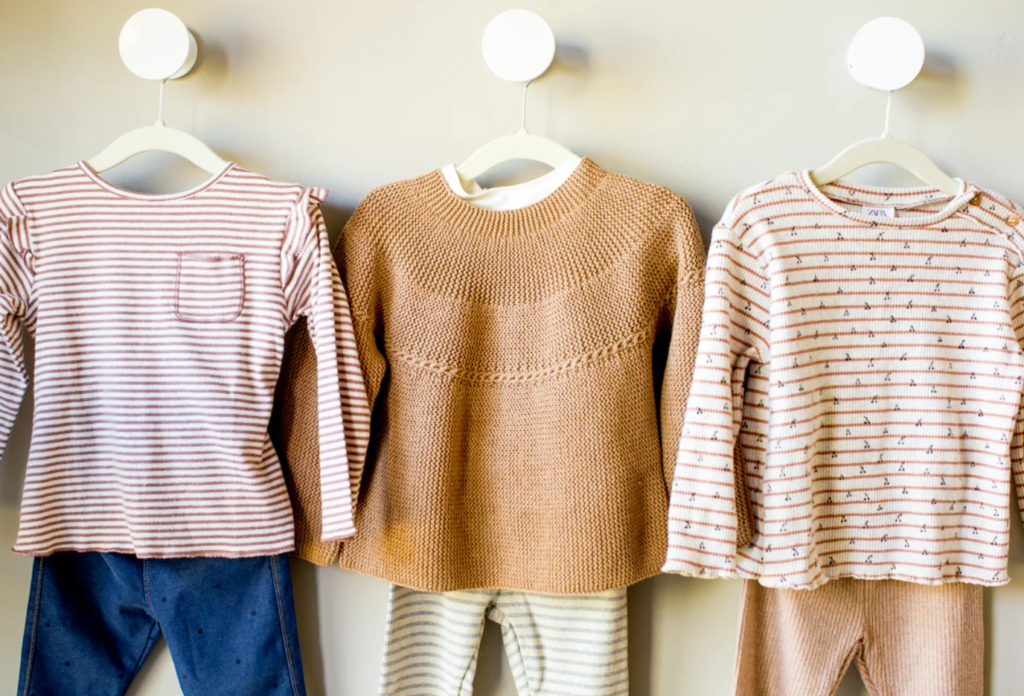
Start with neutrals such as white, cream, gray, navy, beige, or black. Then add two or three accent colors for variety. These could be soft greens, muted blues, dusty pinks, rust tones, or whatever suits your child’s style and the season.
A limited palette does not have to feel boring. It just creates more flexibility. When tops and bottoms coordinate naturally, your child can put together outfits more easily, and you spend less time trying to make everything work.
Keep the Core Wardrobe Small and Practical
One of the most helpful parts of a kids capsule wardrobe is having a rough limit. A smaller number of well-chosen pieces is usually enough for daily life.
A practical capsule often includes around 15 to 20 core clothing pieces, such as:
- several comfortable tops
- several easy-to-wear bottoms
- one slightly dressier outfit
- one or two sweaters or layering pieces
- one or two sweatshirts
- a couple of activewear outfits
Then you can add the everyday basics your child needs, including underwear, socks, pajamas, shoes, and weather-specific outerwear.
Of course, the exact number will depend on your climate, laundry routine, and your child’s age. But in general, children need much less than many of us assume. A compact wardrobe can still cover playtime, school, special occasions, and changing weather.
Focus on Comfort First
Children are constantly moving. They run, climb, sit on the floor, spill things, and change their minds. Because of that, comfort matters more than anything else.
Look for clothes made from soft fabrics with simple fits. Pieces should be easy to pull on, easy to layer, and easy to move in. If something looks nice but feels stiff, itchy, or restrictive, it probably will not become a favorite.
A successful capsule wardrobe is not just visually coordinated. It also supports the way kids actually live.
Shop With Intention, Not Impulse
Once you know what is missing, try to shop all at once or in just one or two focused sessions. This makes it easier to build a wardrobe that feels complete, rather than a random mix of cute items collected over time.
Intentional shopping helps you avoid the common trap of buying pieces individually without thinking about how they fit into the larger wardrobe. A shirt may be adorable on its own, but if it does not match anything else, it adds more friction instead of solving a problem.
Shopping with a plan saves money, reduces waste, and makes it easier to say no to unnecessary extras.
Adjust as Your Child Grows
Kids grow quickly, so a capsule wardrobe is never something you build once and forget forever. It will need small updates as sizes change, seasons shift, and your child’s preferences develop.
That said, the system still works beautifully because the process stays the same. Review what fits, remove what no longer works, identify the gaps, and replace only what is needed.
Over time, this becomes much easier than starting over with every season.
A Simpler Closet, A Smoother Routine
A kids capsule wardrobe is not about strict rules or making childhood feel overly minimal. It is about making daily life easier. With fewer clothes, better coordination, and a clearer sense of what is actually needed, both parents and children benefit.
The result is less clutter, less stress, and more confidence in the clothes your child wears every day.
When the wardrobe is simple, everything else starts to feel a little lighter too.

