Dressing well between winter and spring can feel strangely complicated. Stores begin filling with lighter pieces, but the weather still hasn’t fully committed. One day calls for layers and wool, the next feels mild enough for something lighter. That in-between period is exactly when smart shopping matters most.
Instead of buying items you can only wear for a few short weeks, it makes more sense to focus on clothes that work across both seasons. The best transitional pieces do two jobs at once: they layer comfortably in colder weather and still look right once spring arrives. In the original article, Peter Nguyen highlights four especially useful options for this shift: a classic sweatshirt, a denim jacket, a Harrington jacket, and a leather jacket. He also frames each one around how to buy it well and how to style it in both winter and spring.
1. The Classic Sweatshirt
A simple sweatshirt is one of the easiest seasonal bridge pieces a man can own. In late winter, it works as a comfortable mid-layer under heavier outerwear. Once temperatures rise, it becomes a clean standalone top for casual spring outfits. That flexibility is what makes it so valuable.
If you’re buying your first one, keep it classic. Grey is the safest choice because it pairs easily with almost anything and feels timeless rather than trendy. If you already own a grey sweatshirt, a darker blue tone can bring a little freshness into your spring wardrobe without becoming hard to style. The idea is not to buy something loud, but something that still feels useful once you stop needing bulky layers.
For colder days, wear your sweatshirt over a T-shirt and under a coat. Since sweatshirts are usually lighter than sweaters, they benefit from support: a scarf or textured accessory can add both warmth and visual interest. When spring arrives, the same sweatshirt can be worn on its own with shorts or lighter trousers and casual sneakers. It is the kind of piece that looks relaxed without trying too hard, which is exactly what transitional dressing should feel like.
2. The Denim Jacket
The denim jacket is often treated like a strictly spring or summer item, but it can be far more versatile than that. Worn the right way, it becomes a useful layer in cold weather and an easy outer layer once the air softens. That dual purpose makes it one of the strongest buys for this time of year.
The key is choosing an unlined version. A heavily lined denim jacket may feel practical in winter, but it becomes far less useful once temperatures climb. An unlined jacket gives you much more room to adapt. Color matters too: lighter blues lean more casual and seasonal, while darker indigo shades can look a little sharper and more versatile. Fit is just as important. A denim jacket should feel trim enough to layer under a coat, but not so tight that it limits movement or makes layering uncomfortable.
In winter, a denim jacket can sit under a heavier coat for an extra wind-blocking layer that also adds character to the outfit. Worn with a button-down, cords, and sturdier boots, it feels grounded and cold-weather appropriate. By spring, you can keep a similar palette but swap in lighter pieces like chinos, a henley, or desert boots. That shift in fabric and styling changes the entire mood, even if the jacket stays the same.
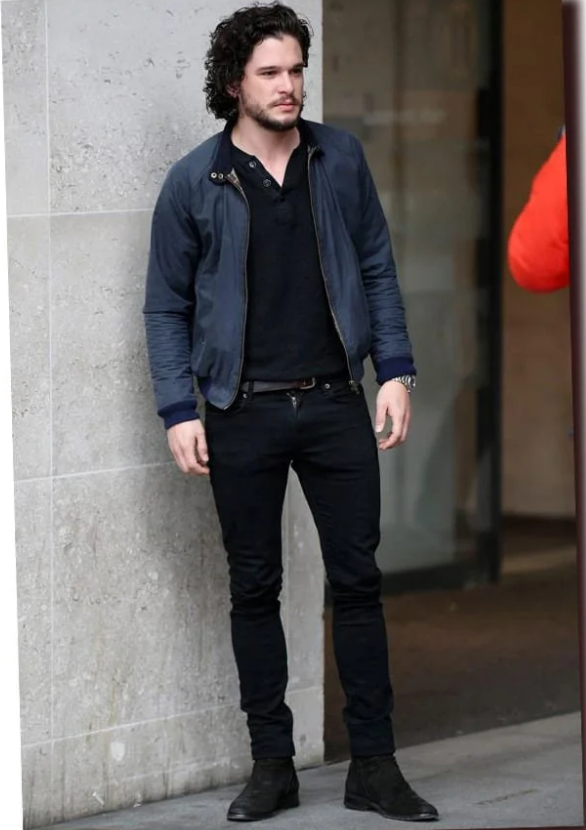
3. The Harrington Jacket
The Harrington jacket is one of those pieces that quietly does everything well. It has the clean shape of a lightweight jacket, but it often comes with just enough lining to remain useful in cooler weather. It also carries a slightly more refined energy than a bomber, which makes it especially appealing if you want something casual but still grown-up.
A navy, black, or similarly dark neutral Harrington will give you the most mileage. These colors are easy to pair and give the jacket a timeless, understated quality. Because many Harringtons include a light lining, they can handle the tail end of winter better than they first appear. Yet they are still light enough to throw over a tee or polo once spring is in full swing.
In colder weather, this jacket works especially well with textured pieces. A thick knit, corduroy trousers, and a scarf help offset the clean surface of the jacket and keep the outfit from feeling flat. In spring, darker colors can still work, but the fabric choices need to feel lighter. A breathable polo, softer layers, and variation in shades of charcoal, black, and grey can keep the look sharp without making it feel heavy or wintry.
4. The Leather Jacket
A leather jacket may not be the first thing people think of when they imagine transitional dressing, but it deserves a place on the list. Most men picture it in a simple T-shirt-and-jeans outfit, yet it can be just as effective layered under a coat in winter. That makes it useful well beyond one narrow season.
The smartest move is to avoid heavy winter-specific versions, such as heavily padded bombers or fur-lined styles. A cleaner all-season option, like a café racer or double rider with minimal or removable lining, gives you much more flexibility. When choosing between black and brown, it helps to look at the rest of your wardrobe. If most of your leather shoes and boots are black, a black jacket will integrate more naturally. If your footwear leans brown, that may be the better route.
In winter, layering a leather jacket under a larger coat adds warmth without sacrificing style. It also introduces a different texture, which helps cold-weather outfits feel richer and less dull. A warm knit in a soft neutral or camel tone can break up darker colors and keep the look from turning flat. In spring, the leather jacket returns to familiar territory, but subtle upgrades make a difference. An off-white T-shirt often feels softer and more refined than a stark white one, and swapping sneakers for Chelsea boots gives the entire look a more mature edge.
The Bigger Style Lesson
What makes these four pieces so effective is not just that they look good. It’s that they solve a very real wardrobe problem. Transitional dressing is easier when you stop thinking in strict seasonal categories and start looking for range. The most useful clothes are the ones that can handle more than one role: layered in the cold, simplified in the mild, and styled differently as the weather changes.
That is really the main takeaway here. Buy pieces that can move with the season, not against it. A sweatshirt, an unlined denim jacket, a versatile Harrington, and a streamlined leather jacket all offer that kind of flexibility. When your wardrobe includes items like these, the shift from winter to spring feels less awkward and much more intentional.

