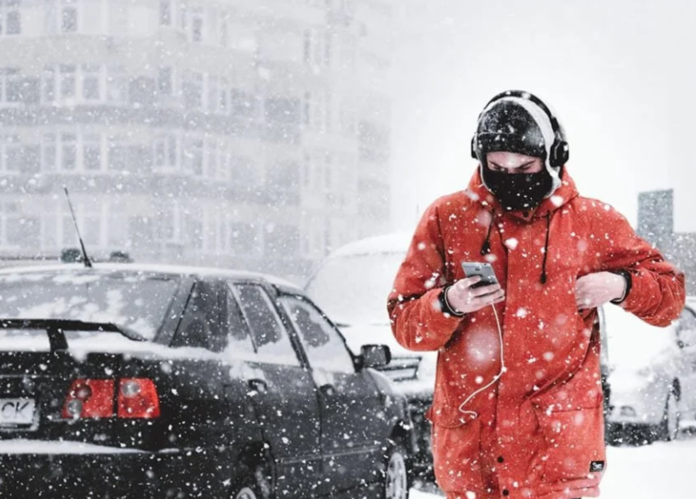
When temperatures drop, most men fall into one of two traps: either they pile on bulky clothing and lose all sense of style, or they try to stay fashionable and end up freezing. The truth is, winter dressing doesn’t have to be complicated. With a few smart principles, layering can become one of the easiest—and most effective—ways to stay warm while looking sharp.
At its core, layering is about combining the right pieces in a way that balances comfort, function, and style. Instead of relying on one heavy garment, multiple lighter layers work together to trap heat and create insulation. This approach not only keeps you warmer, but also gives your outfit more depth and flexibility.
Start with the Right Foundations
Before thinking about outfits, it’s important to understand the essential pieces that make layering work. A solid winter wardrobe doesn’t require dozens of items—just a few versatile staples that can be combined in different ways.
Key items include:
- A quality sweater (preferably merino wool or cashmere)
- A lightweight down jacket or vest
- A structured jacket (like a leather jacket or sport coat)
- A topcoat for colder days
These pieces form the backbone of most winter outfits. Once you have them, everything else becomes easier. Accessories such as scarves, gloves, and beanies can enhance warmth, while thermal basics and lined pants provide additional insulation when needed.
Keep Colors Simple and Intentional
One of the biggest mistakes men make in winter is overcomplicating color combinations. Layering already adds visual interest through texture and depth, so there’s no need to go overboard with bold colors.
A more effective approach is to stick with neutral tones—think black, grey, navy, and earth tones. These shades are easy to mix and match, creating a cohesive look without much effort. If you want to add variety, change just one element in your outfit. A single contrasting piece is often enough to make the entire look feel fresh.
The Go-To Layering Formulas
Instead of guessing what works, it helps to rely on a few proven outfit formulas. These combinations remove the guesswork and ensure you always look put together.
1. The Two-Layer Approach (Mild Cold)
For days when the weather is cool but not freezing, simplicity is key. A button-down shirt paired with a jacket or coat is often enough.
This look is clean, functional, and easy to wear. One interesting variation is wearing a topcoat as your main outer layer instead of layering it over a jacket. It creates a refined appearance without adding unnecessary bulk.
The only thing to keep in mind is balance—if your outfit leans formal (like wearing a tie), removing the coat might feel awkward. In those cases, going tieless or choosing a more casual shirt keeps everything cohesive.
2. The Three-Layer Setup (Cold Weather)
When temperatures drop further, adding a middle layer becomes essential. This is where sweaters come in.
A classic combination includes:
- Button-down shirt (base layer)
- Sweater (middle layer)
- Jacket or coat (outer layer)
This structure adds warmth while maintaining a polished look. Crewneck sweaters tend to work better than v-necks in most cases, as they avoid awkward overlaps with shirt collars and create a cleaner silhouette.
Choosing the Right Materials
Not all fabrics perform the same in winter, and your choice can significantly impact both comfort and style.
- Merino wool: Lightweight, breathable, and versatile. A great everyday option.
- Cashmere: Softer and warmer, but more expensive. Ideal if you want maximum comfort and luxury.
- Down insulation: Excellent for retaining heat without adding weight.
Each material has its place, and the best choice depends on your needs. For example, cashmere offers exceptional warmth and softness, but it can sometimes feel too warm indoors. On the other hand, high-quality merino wool strikes a balance between comfort and practicality.
Layering Without the Bulk
A common concern with winter outfits is looking bulky or restricted. The solution lies in choosing pieces designed to work together.
Start with thinner, fitted base layers, then gradually build outward with slightly heavier garments. This prevents unnecessary bulk and allows you to move comfortably throughout the day.
Additionally, layering offers flexibility. You can easily remove a piece when indoors and still maintain a complete, stylish outfit—something a single heavy coat can’t provide.
Small Details That Make a Big Difference
Once the main layers are in place, the finishing touches elevate your look.
Accessories like scarves and gloves are not just practical—they add texture and personality. Similarly, details like lined pants or thermal undershirts can dramatically improve comfort in colder conditions.
The key is moderation. Layering already creates visual complexity, so each additional element should feel intentional rather than excessive.
Final Thoughts
Winter style doesn’t require an entirely new wardrobe or complicated rules. By focusing on a few essential pieces, sticking to a simple color palette, and using reliable layering formulas, you can build outfits that are both functional and stylish.
The real advantage of layering is versatility. It allows you to adapt to changing temperatures, move comfortably between environments, and still look put together throughout the day.
Once you understand the basics, getting dressed in winter becomes less of a challenge—and more of an opportunity to refine your personal style.

