Shopping for sunglasses can feel strangely complicated. One guide says square faces need round frames. Another insists oval faces can wear anything. Then a third one throws out a list of “rules” that somehow makes the whole thing even more confusing.
The truth is, finding the right sunglasses is usually much simpler than people make it out to be.
Instead of obsessing over whether your face is square, round, oval, or something in between, it helps to focus on something more practical: proportion. The sunglasses that look best on you are usually the ones that fit your face well, offer proper coverage, and feel balanced rather than too small or too oversized.
That is the real starting point.
Start with the fit, not the face-shape chart
The first thing to pay attention to is the overall size of the frame. A flattering pair of sunglasses should sit in a kind of visual sweet spot. In simple terms, that means the lenses should feel roughly in proportion to your face.
If the frames are too narrow, they can look undersized and may not give you enough sun protection or coverage. If they are too large or too tall, they can quickly overpower your features and start to feel more like a costume than an everyday staple.
Of course, extra-large sunglasses can work if that is the look you are deliberately going for. But if your goal is to find a pair that looks stylish, balanced, and easy to wear, then staying in that middle ground is usually your safest move.
A good fit tends to solve more problems than any face-shape formula ever will.
A rounded frame is the easiest place to begin
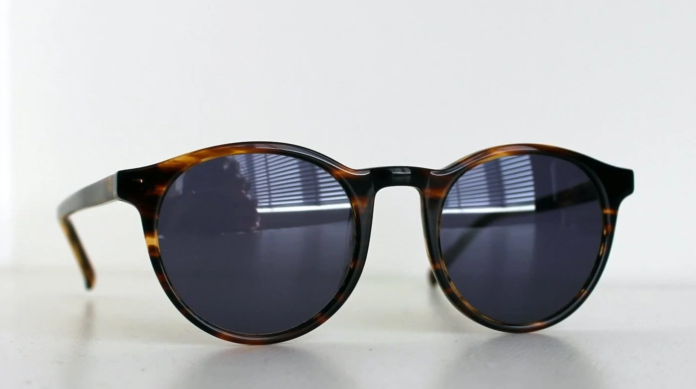
If you are not sure where to start, choose a rounded frame.
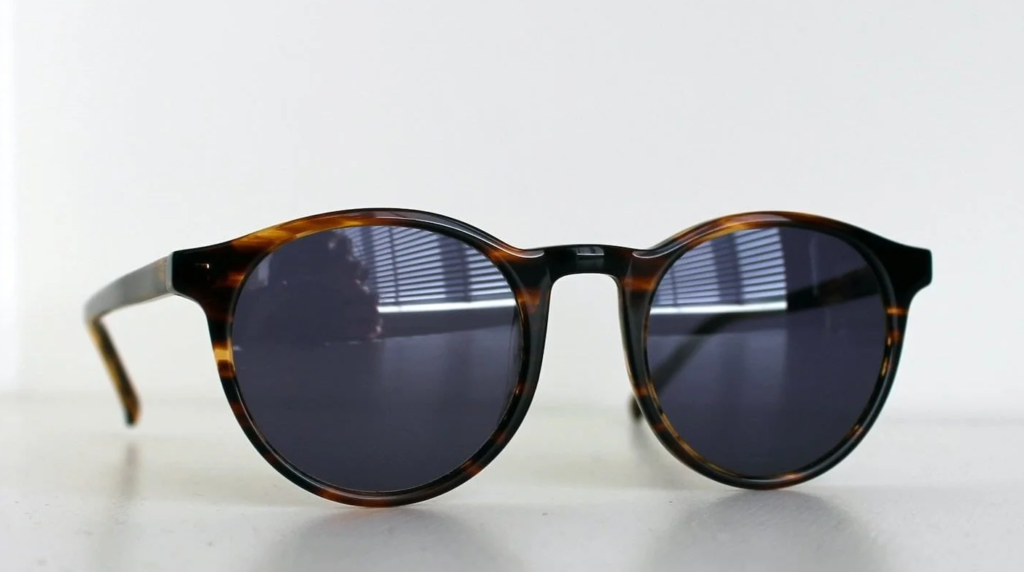
This does not mean perfectly circular lenses or anything overly dramatic. Think of a shape that is softly rounded, especially around the bottom, with a top line that may be straight or slightly curved. It is subtle, wearable, and versatile.
This type of frame works well for a lot of men because it usually lands comfortably in that proportional sweet spot. It is refined without trying too hard, classic without feeling boring, and stylish without becoming too trend-driven.
That makes it an especially smart first purchase if you want one pair that can handle most situations.
Stick with timeless colors first
Once you have the frame shape down, color becomes much easier to figure out.
For your first pair, classic frame colors are the best investment. Black is always dependable. Dark brown and tortoise tones are also strong choices because they feel just as versatile while adding a little more warmth and texture.
These shades work across seasons and pair easily with the rest of your wardrobe, which is exactly what you want from a reliable everyday accessory.
If you are shopping for spring or summer and want something a bit lighter, a pale frame can be a nice addition. Soft yellow tones can bring a subtle hit of color, while clear frames offer a clean, modern option that still feels easy to wear.
As for lenses, it is hard to go wrong with solid dark tones like black, grey, or green. They are classic, functional, and never feel overcomplicated.
Let style preference guide the final choice
Rounded frames are a strong default, but they are not the only option.
Once you understand the importance of proportion, you can start branching out into other silhouettes with more confidence. Maybe square frames suit your preferences better. Maybe aviators fit your personal style. Maybe you like the retro energy of shield-inspired sunglasses or the cool factor of something more angular.
That is all fine.
In many cases, your head size and feature spacing can also influence what feels right. Someone with a larger head or broader features may prefer frames with slightly bigger lenses, which can make square styles especially appealing. On the other hand, someone who likes cleaner, more understated accessories may naturally gravitate toward softer rounded shapes.
The key is not to treat style categories like hard rules. Think of them more like options. Once the size is right, the rest becomes a matter of taste.
Stop chasing perfect rules
A lot of style advice makes sunglasses seem harder than they need to be. But most people do not need an elaborate system. They need a simple way to narrow down good choices.
So instead of asking, “What sunglasses match my face shape?” try asking better questions:
Do these frames look balanced on my face?
Do they give me enough coverage?
Do they feel natural and flattering?
Would I actually want to wear them regularly?
Those questions are usually much more useful.
The best sunglasses are not the pair that wins on paper according to some rigid chart. They are the pair that fits well, complements your proportions, and matches your style.
The simple rule to remember
If you want the easiest path to a good pair of sunglasses, keep it straightforward:
Choose frames that are proportional to your face.
Start with a softly rounded shape.
Pick black, brown, or tortoise for maximum versatility.
Then experiment with other shapes and lighter seasonal colors once you know what fits you best.
That approach is practical, stylish, and much easier to follow than trying to decode a dozen conflicting face-shape guides.
A great pair of sunglasses should make getting dressed easier, not more stressful. Start with fit, stay classic, and let personal style do the rest.

