In a fashion landscape driven by fast-changing trends, minimalist clothing offers a refreshing alternative. Instead of chasing what’s new each season, minimalist style focuses on what endures—pieces that are thoughtfully designed, easy to wear, and built to last. At its core, this approach is not about owning less for the sake of it, but about choosing better.
Minimalist clothing brands have gained momentum precisely because they align with this mindset. They prioritize quality, versatility, and simplicity, making it easier to build a wardrobe that feels cohesive rather than cluttered.
What Defines Minimalist Clothing?
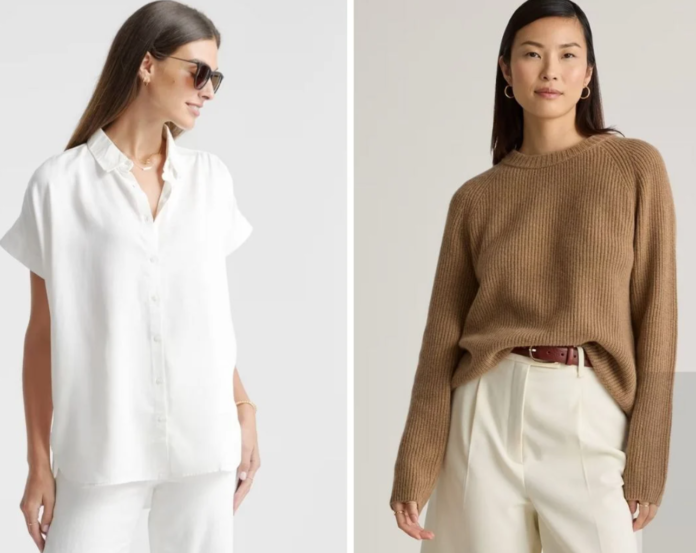
Minimalist fashion is grounded in intentional design. Rather than loud prints or trend-driven silhouettes, it emphasizes clean lines, neutral tones, and timeless shapes. These are clothes designed to remain relevant year after year, not just for a single season.
A typical minimalist wardrobe includes pieces that can be mixed and matched effortlessly. Think tailored trousers, structured blazers, classic tees, and well-fitted denim. Each item works on its own, but more importantly, works well with everything else.
This philosophy is closely tied to the concept of a capsule wardrobe—a small, curated collection of clothing that can be styled in multiple ways for different occasions. The goal is simple: fewer items, more outfits, and less decision fatigue.
Why Minimalist Brands Stand Out
Minimalist clothing brands distinguish themselves through their focus on craftsmanship and longevity. Unlike fast fashion labels that prioritize volume and speed, these brands invest in durable materials and refined construction.
Quality fabrics—such as organic cotton, wool, linen, and cashmere—play a major role. These materials not only feel better but also age better, maintaining their structure and appearance over time.
Another defining feature is versatility. A minimalist piece is rarely limited to a single look or occasion. A well-designed shirt can transition from casual to formal with minor styling changes, making it a reliable foundation in any wardrobe.
This adaptability is what makes minimalist brands particularly appealing for modern lifestyles. Instead of constantly buying new items, you build a system where everything already works together.
The Role of Color and Simplicity
Color palettes in minimalist fashion tend to stay within a restrained range—black, white, beige, navy, and muted earth tones. This consistency is not accidental. A cohesive palette allows for seamless outfit combinations, eliminating the guesswork that often comes with more eclectic wardrobes.
However, minimalism is not strictly monochrome. Some brands incorporate subtle variations—soft pastels or deep tones—that still align with the overall aesthetic. The key is harmony rather than restriction.
Design-wise, minimalism focuses on removing unnecessary elements. There are fewer embellishments, logos, or decorative details. Instead, attention shifts to fit, proportion, and fabric—elements that quietly define the overall look.
Minimalism as a Response to Overconsumption
The rise of minimalist clothing is closely tied to a broader shift in consumer behavior. As awareness grows around sustainability and overconsumption, many people are reconsidering how they approach fashion.
Minimalist brands often reflect this change by adopting more responsible production methods. This can include ethical labor practices, reduced waste, and the use of sustainable materials.
More importantly, minimalism encourages a different mindset. Instead of asking “What’s trending?”, the focus becomes “Will I still wear this in five years?” This shift leads to more thoughtful purchasing decisions and ultimately a more sustainable wardrobe.
Notable Minimalist Brands to Know
Across different price points, a wide range of brands have embraced minimalist principles. Established names like The Row and Jil Sander are often associated with refined luxury minimalism, offering impeccably tailored pieces with a strong emphasis on craftsmanship.
At the same time, contemporary labels are making minimalist fashion more accessible. Brands like Totême and others in the mid-range market focus on elevated basics—pieces that balance quality with wearability.
What connects these brands is not their price, but their philosophy. Whether high-end or affordable, the goal remains the same: to create clothing that feels relevant beyond a single season.
Building a Minimalist Wardrobe
Adopting minimalist fashion doesn’t require a complete overhaul of your closet. In fact, the process is often gradual.
Start by identifying versatile essentials—items you can wear frequently and style in multiple ways. A well-fitted pair of trousers, a neutral knit, or a classic coat can serve as the backbone of your wardrobe.
From there, focus on cohesion. Choose pieces that align in both color and style, allowing them to work together effortlessly. Over time, this creates a wardrobe that feels intentional rather than random.
It’s also important to shift how you evaluate clothing. Instead of focusing solely on price or trend appeal, consider durability, comfort, and long-term value.
The Lasting Appeal of Minimalism
Minimalist fashion continues to resonate because it simplifies a part of life that often feels overwhelming. Getting dressed becomes easier when every piece has a purpose and fits within a larger system.
More importantly, minimalist clothing allows personal style to come through without distraction. By removing excess, it highlights what truly matters—fit, quality, and confidence.
In a world where fashion is constantly evolving, minimalism offers something rare: consistency. It’s not about having less for the sake of aesthetics, but about making better choices that stand the test of time.

