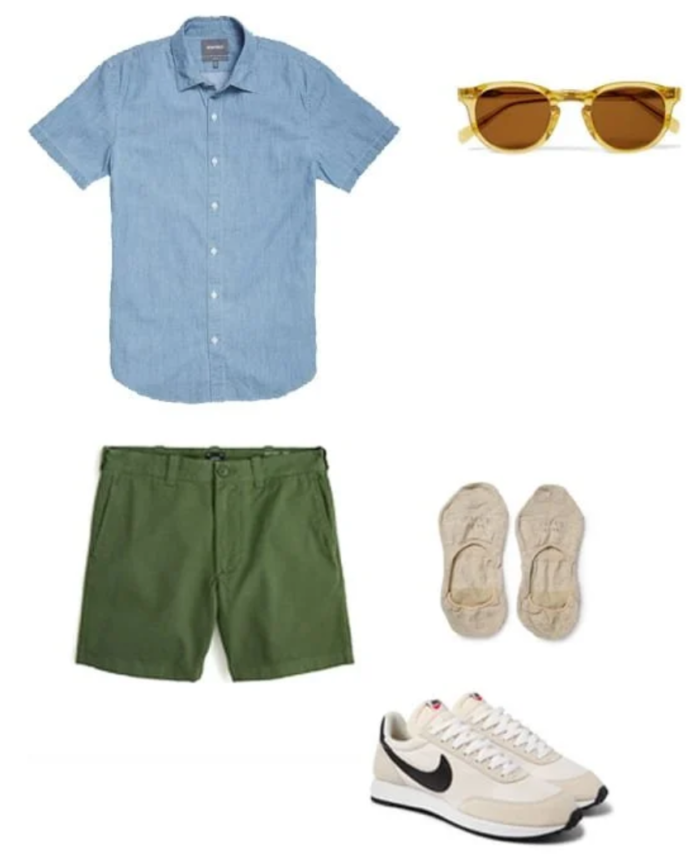
When summer arrives, few wardrobe pieces get as much attention—or confusion—as shorts. For many men, the biggest question isn’t whether to wear them, but how to wear them well. What length is right? How should they fit? And how do you style them without looking sloppy?
The truth is, getting shorts right isn’t complicated. It simply comes down to understanding proportion, confidence, and a few key style principles that can instantly elevate your look.
Start with the Most Important Detail: Length
If there’s one factor that defines how your shorts look, it’s the inseam—the measurement from the crotch to the hem. Most shorts fall into four standard categories: 5″, 7″, 9″, and 11″.
But choosing the right length isn’t about blindly following trends. It’s about how the shorts interact with your body.
Two elements matter most:
1. Your Height Determines Proportion
Height plays a major role in how shorts visually balance your body. Taller men naturally need longer inseams to maintain proportion, while shorter men benefit from shorter cuts that elongate the legs.
As a general guideline:
- Shorter men should lean toward 5″–7″ inseams
- Taller men can comfortably wear 7″–9″ or longer
Ignoring this can throw off your entire silhouette—making legs appear shorter or overly bulky.
2. Your Comfort with Showing Leg
There’s another, often overlooked factor: how confident you feel about your thighs.
Shorter inseams (like 5″) naturally draw attention to your legs, while longer options offer more coverage. This isn’t about rules—it’s about personal comfort.
If you’re confident, lean into shorter styles. If you prefer a more understated look, mid-length options provide a balanced alternative.
The Sweet Spot Most Men Should Aim For
While personal preference matters, there’s a widely accepted “safe zone” when it comes to shorts length.
Ideally, your shorts should fall about 1–3 inches above the knee.
This range strikes the perfect balance:
- Not too short to feel revealing
- Not too long to look outdated or oversized
In fact, the 7-inch inseam is often considered the most universally flattering option because it works across different body types and styles.
And one rule stands above all others:
Shorts should never extend past your knees.
Once they do, they lose their shape and start resembling ill-fitting trousers rather than intentional summerwear.
Fit Matters Just as Much as Length
Length gets most of the attention, but fit is equally important.
A well-fitting pair of shorts should:
- Sit cleanly at the waist
- Have a tailored (not tight) shape through the thighs
- Allow enough room for movement without excess fabric
One simple way to test the fit is the “pinch test.” If you can grab too much extra fabric at the sides, they’re too baggy. If they feel restrictive, they’re too tight.
The goal is balance—structured but comfortable.
Avoid Common Style Mistakes
Even with the right length and fit, a few common mistakes can undermine your look:
- Overly baggy shorts: These add unnecessary bulk and distort your proportions
- Excessively long styles: Anything past the knee looks outdated
- Poor fabric choices: Heavy or stiff materials defeat the purpose of summer comfort
Clean lines and lightweight fabrics will always outperform bulky or oversized designs.
The Most Versatile Types of Shorts
Once you understand fit, choosing the right style becomes much easier. Here are a few essential options every man should consider:
Chino Shorts
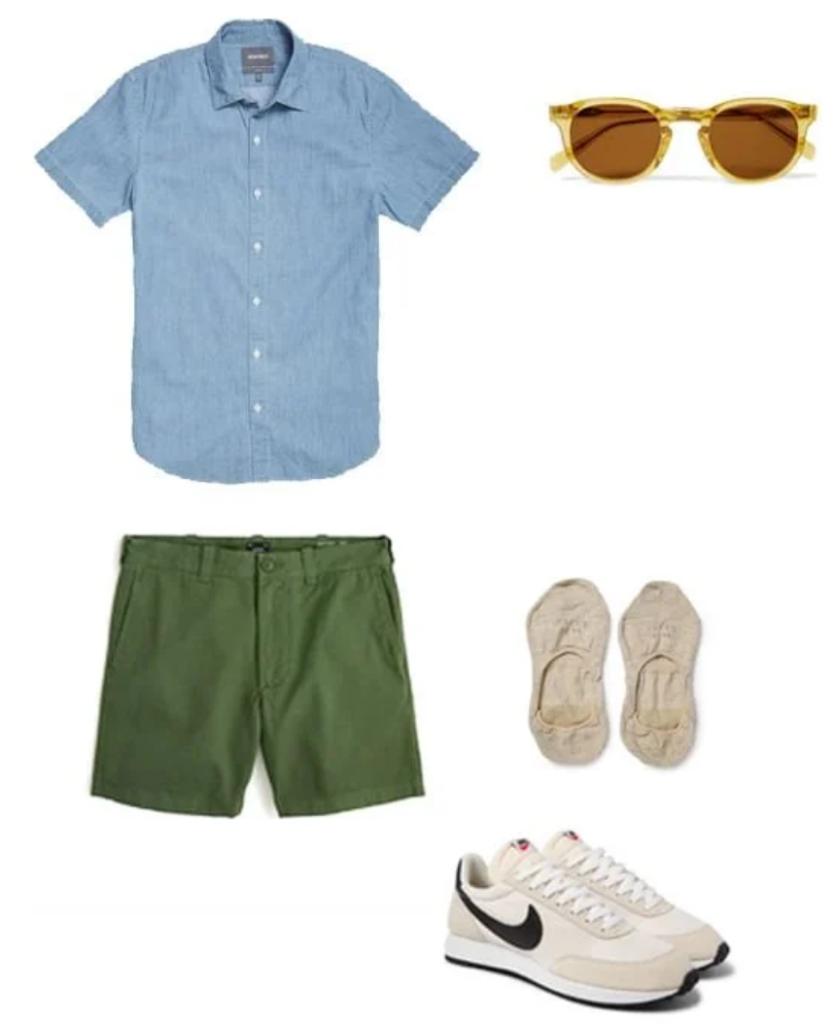
The most versatile option. Chino shorts can easily transition from casual outings to slightly polished settings. Neutral colors like navy, khaki, and olive make them easy to pair with almost anything.
Denim Shorts (With Caution)
Denim shorts can be tricky, but lighter versions—especially in white—offer a cleaner, more modern look compared to traditional cut-offs.
Swim Trunks Beyond the Beach
Modern swim trunks aren’t just for the water anymore. With the right cut and fabric, they can double as casual daywear. Pair bold patterns with simple tops, or vice versa, for balance.
How to Style Shorts Without Overthinking It
Styling shorts doesn’t need to be complicated. In fact, simplicity is what makes them work.
A few reliable combinations:
- Chino shorts + short-sleeve button-up for a refined casual look
- Neutral shorts + plain tee for everyday wear
- Patterned shorts + solid shirt for visual balance
Because summer outfits are naturally minimal, each piece matters more. Keeping things clean and intentional is key.
The Bigger Picture: Confidence Over Rules
While guidelines help, the most important factor is how you feel in what you’re wearing.
The best-fitting shorts won’t look good if you’re uncomfortable in them. Likewise, a slightly unconventional choice can work if worn with confidence.
Use these principles as a framework—not a restriction.
Final Thoughts
Mastering shorts is less about following rigid fashion rules and more about understanding proportion, fit, and personal comfort.
When you get those right, everything else falls into place.
A well-chosen pair of shorts doesn’t just keep you cool—it elevates your entire summer wardrobe with minimal effort.

